Off-Road Vehicles / 4 min read
Toyota Land Cruiser Off-Road Field Guide
Identify your Land Cruiser’s four-wheel-drive controls, factory equipment and roof setup before an easy trail day. Covers U.S. 2024 and 2025 Land Cruiser 250 examples.
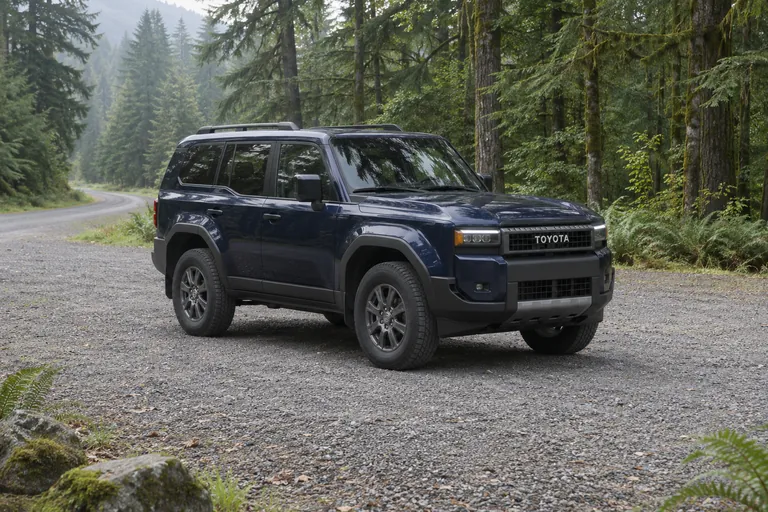
Identify your Land Cruiser
The Land Cruiser returned to the U.S. for 2024 as the 250 Series with a turbocharged 2.4L i-FORCE MAX hybrid and full-time four-wheel drive. Start with your model year, market and grade. Use the build information and the equipment on the vehicle to choose the matching manual and accessory listings. The earlier 200 Series and Land Cruisers sold overseas have their own fitment references.
What varies across 2024 and 2025 U.S. grades
- 2025 1958. Toyota includes a two-speed transfer case, locking center and rear differentials and Crawl Control. Check the manual for when to use low range and each lock, then locate their controls before leaving pavement.
- 2025 Land Cruiser grade. Toyota adds the Stabilizer Disconnect Mechanism, Multi-Terrain Select and the camera-based Multi-Terrain Monitor. Match the controls on your vehicle to its manual. The available Premium Package adds a power moonroof, which matters when checking rack clearance.
- 2024 First Edition. Toyota included a roof rack, rock rails and a front skid plate on this grade. Inspect the roof on any used Land Cruiser and identify the installed hardware before ordering crossbars or a replacement platform.
Prepare for an easy trail day
- Choose an open, maintained route with enough room for your vehicle to turn around. Check access and recent conditions with the land manager and identify where you’ll turn back if the surface deteriorates.
- Check the tires and spare and locate the jack and wheel tools. If the hitch or rear accessories have changed, verify access to the spare and the tools you need with your gear loaded.
- Check the tire and loading label for combined occupant and cargo weight. Use appropriate anchors for loose gear and keep roadside equipment accessible with the cargo area packed.
- Before returning to pavement, stop in a safe, level place to inspect the vehicle. Return the transfer case, differential locks and stabilizer controls to the applicable road settings in the manual and confirm the indicators before continuing.
Check the roof and cargo area before ordering
- Identify whether the roof has raised side rails, a platform or covers over the mounting points. Compare that layout and any moonroof against the manufacturer’s part number and mounting instructions.
- Check the liftgate and separately opening rear glass for clearance around long cargo. Include carrier and rack weight in the vehicle’s payload and check the cargo limits for the exact roof setup.
Sources & further reading
These sources support the factual reference points in this guide. Practical comparisons and packing suggestions are editorial guidance.