Off-Road Vehicles / 4 min read
Post-Trail Vehicle Checks Before Driving Home
Use a trailhead walkaround to spot tire, wheel, brake and underbody problems, restore your road settings and decide when to call for help.
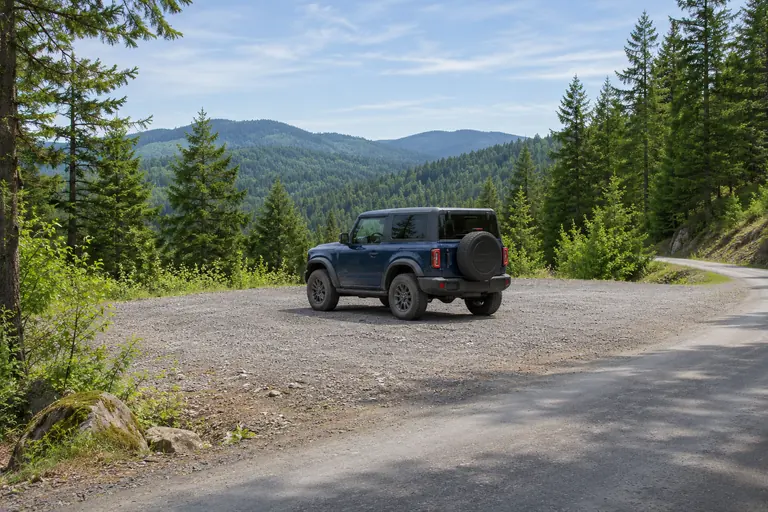
Park somewhere safe and walk around
Use a permitted, level turnout clear of traffic before returning to pavement. Secure the vehicle as directed by its manual and let hot parts cool. Start with what you can see from outside. Leave checks that require access under the vehicle to a properly equipped shop.
- Look at each tire’s tread and visible sidewall for cuts or bulges, and each wheel for fresh dents or cracks. Check for loss of pressure and note any wheel that took a hard hit.
- Look for fresh fluid drips, loose panels or a hanging exhaust, especially near a spot that scraped. Check for mud or debris packed around the wheels or blocking the grille.
- Clear visibility and check the lights, windows and mirrors. Close the hood, doors and tailgate securely. Recheck the spare carrier, rack and cargo restraints if anything shifted on the trail.
Restore tire pressure and road settings
If you lowered tire pressure for the trail, restore the applicable road inflation before getting back onto pavement. For the original tire setup, use the pressures on the vehicle placard and follow the manual if the tires are warm. Recheck when the tires are cold. If the tire size or load rating changed, confirm the correct road pressure for that setup with a qualified tire professional.
Follow your manual to return the transfer case and any locking differential or sway-bar controls to the appropriate road settings. Confirm the indicators show the expected state before leaving your inspection spot.
When to stay parked and call for help
A sidewall bulge, damaged wheel, continuing air loss, fresh fluid leak or suspected steering, suspension or brake damage needs attention before the road drive. Arrange roadside assistance if you cannot establish that the vehicle is safe to drive. If new vibration, steering pull or unusual braking appears after you set off, pull over safely and reassess.
Follow up after a muddy or rough trip
Check the maintenance section of your manual after prolonged dust, mud or water exposure. If debris is lodged near the brakes, cooling system or underbody, have those areas inspected as directed by the vehicle maker. Tell the shop what happened, which part of the vehicle struck an obstacle and when any warning or vibration began. That is more useful than describing the road as rough.
Sources & further reading
These sources support the factual reference points in this guide. Practical comparisons and packing suggestions are editorial guidance.