Vehicle battery gear / 5 min read
Vehicle battery and jump starter guide for weekend 4x4 trips
Choose a jump pack or battery maintainer, check approved jump points and clamp reach, and plan for a vehicle that won’t start.
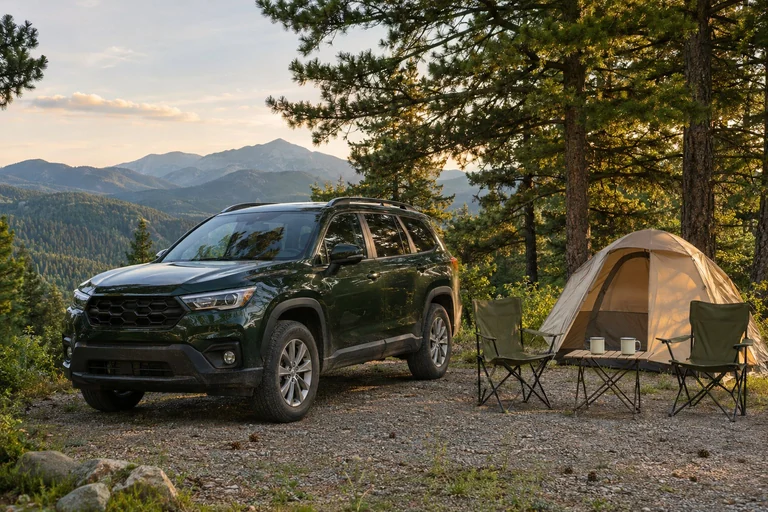
Check the starting battery before the trip
If the engine has been cranking slowly or the vehicle has needed repeated boosts, schedule a battery and charging system check before heading out. NHTSA recommends a mechanic check those systems before winter travel. Starting can take more battery power in cold weather. A successful boost can get an engine running, while a battery or charging system test helps identify why it struggled.
Look up your vehicle’s jump-start instructions. Note the battery voltage and chemistry, your engine size and fuel type, and where the manual tells you to attach a booster. Some vehicles put approved connections away from the battery. If you drive a hybrid or EV, use the procedure for its specific low-voltage system. Leave the high-voltage traction battery to qualified service.
If you recently replaced the battery or bought a used vehicle, check the actual battery label against the manual. An aftermarket battery may have a different chemistry from the original. If you cannot confirm what is installed or the two sets of instructions conflict, have a shop check the setup before buying a booster.
Compare jump packs by compatibility and reach
Check the pack maker’s supported battery types and engine limits before comparing peak current. A peak figure is a brief maximum under the maker’s test conditions. Different peak or cranking figures cannot tell you how two packs will perform on your vehicle in cold weather. Confirm whether the pack maker documents a limit for your engine and whether the vehicle permits that kind of booster.
The USB-C NOCO GB40 is a compact example for compatible 12 V lead-acid systems. NOCO lists engines up to 6.0 L gasoline or 3.0 L diesel. The NOCO Boost X GBX45 has different engine limits and recharging requirements. The Clore JNC660 also serves 12 V lead-acid systems and has 46 in leads, but it weighs 18 lb and needs room to stow securely. Check how each pack recharges before settling on one.
With the vehicle off and the pack disconnected, look at the distance between the approved points and where the pack could sit securely. Allow room for clamp jaws to open and for the leads to stay clear of fans, belts, and hot parts. Save the diagrams on your phone or print them. That makes them available even where you have no signal.
Check the temperature limits for use, recharging, and storage separately. A vehicle parked in the sun can get much warmer than the outside air. If the pack cannot stay within its storage limits, bring it inside between trips. Keep the charging cable with it and set a reminder to check its charge before departure.
Follow the vehicle and booster instructions
If the vehicle won’t start, put safety first. Move away from traffic if you can do so safely. If you cannot work in a safe, ventilated spot, call for assistance. Keep sparks and flames away from the battery and wear eye protection. Leave a cracked, leaking, swollen, or possibly frozen battery alone. If you cannot confirm its chemistry or the approved connection points, get help.
Follow both manuals for the connection order, start attempts, waiting periods, and disconnection. Use only the designated points and keep the clamps apart. A headlamp like the Petzl Tikkina 300 can free your hands to read labels. If the booster shows a fault, the vehicle still won’t start after the permitted attempts, or the charging warning stays on, stop and arrange help. Recharge the booster after use as its manual directs.
If the vehicle starts but the battery goes flat again, have the battery, charging system, and possible electrical draw checked before another remote trip. If you need assistance on the trail, share the route name, coordinates, and last passable junction. Tell the responder if the vehicle uses a hybrid or electric powertrain.
Use a plug-in maintainer between trips
A plug-in charger supplies current over time. A maintainer can keep a compatible battery charged during storage. The NOCO GENIUS5 is a 5 A example with several charge modes. Before buying, check the battery chemistry, capacity, voltage, and permitted charge rate. Follow the vehicle and battery instructions for connection points and the charger manual for mode selection and ventilation.
Decide which problem you are solving. If the truck sits for weeks with a sound battery, a compatible maintainer can be useful at home. If you want emergency starting power at a remote campsite, charge and carry a suitable jump pack. For a camp fridge or lights, plan their power separately so they do not draw down the starting battery.
Vehicle battery gear packing checklist
Review the kit with the vehicle loaded so another driver can find both the equipment and the instructions.
- Save the vehicle and booster instructions and locate the approved connection points.
- Verify voltage, battery chemistry, engine rating, and clamp reach.
- Inspect the pack and leads and charge the pack before departure.
- Pack eye protection and a working headlamp.
- Secure the pack with the clamps protected and within the maker’s storage limits.
- Save roadside assistance details and a way to share your location.
Sources & further reading
These sources support the factual reference points in this guide. Practical comparisons and packing suggestions are editorial guidance.