Storage / 5 min read
Build a removable camp-kitchen box
Organize cooking equipment around meals and access, then compare the case, organizers, and weight of the whole kit.
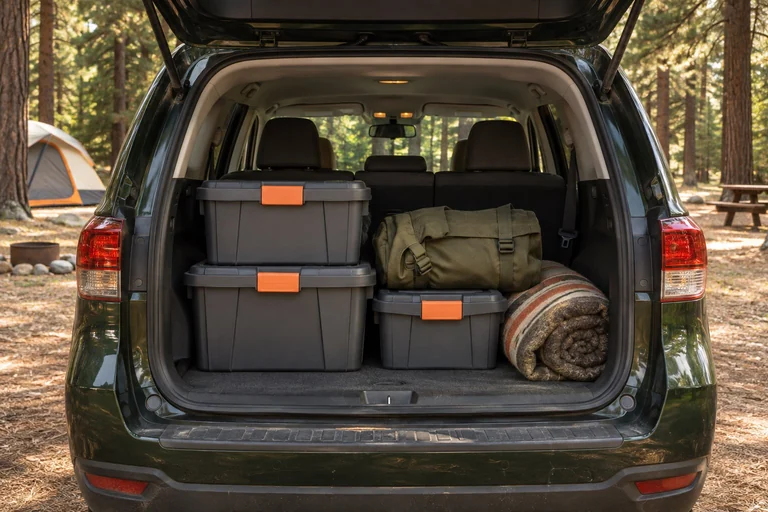
Define a kitchen kit you can remove in one routine
A removable camp-kitchen box works best when it has a clear job. Begin with the meals you usually make and the equipment those meals require. Put the utensils, cookware, preparation tools, and cleaning supplies on a table before choosing a container. The box should organize a realistic cooking routine, not become a reason to accumulate equipment that makes a simple weekend harder to pack.
Separate the jobs of carrying equipment, storing food, and operating appliances. A protective cargo case does not refrigerate food, and a packed box is not a safe operating enclosure for a stove or electrical equipment. Follow each item's instructions for transport, fuel storage, cooling, and use. The kitchen box in this guide is an organizing tool. Any food, fuel, or appliance that needs a different storage arrangement must have that arrangement independently established.
Group equipment by the order you use it
Imagine arriving after a long drive. Which items need to be reachable before dinner, and which can wait until morning? Grouping the preparation tools together can reduce searching, while a small bag or tray for frequently used utensils can keep them from disappearing beneath cookware. Choose groups that other people in the party can understand without a detailed explanation from the person who packed.
An example routine might put clean utensils in one removable pouch, pans in a lower compartment, and washing supplies in a separately contained group. This is an editorial layout idea, not a prescribed fit for a particular case. Check your actual containers and the cleaning-product instructions. Keep clean equipment protected from leaks and used items. Do not let a convenient packing arrangement override separation or handling requirements for the things being stored.
Measure awkward items before buying a case
The widest pan handle or longest utensil may decide whether a kit fits, even when the advertised capacity looks generous. Measure the real objects, including lids, handles, and any protective sleeves. Compare those with usable internal dimensions rather than assuming an outside footprint describes the packing cavity. Allow room for the organizer and for lifting items back out without emptying the box.
The GoBox 30 and ROAM 55L entries make interior and exterior dimensions available separately. The Dometic GO Hard Storage is another removable-case example, while a small Plano trunk offers a different form of organization. These examples do not establish that your particular kitchen kit fits any of them. Try a cardboard layout or borrow a similar container before ordering. Also check the case opening and rounded corners: a maximum dimension does not describe every part of the interior.
Give every organizer a specific purpose
Trays, dividers, lid organizers, and soft inserts can make small items easier to find. They also occupy space and add to the complete purchase. Start with the items that are hard to retrieve, then select an organizer that addresses that problem. A full accessory set can be unnecessary if a simple pouch already keeps the essential utensils together.
Check the standard package before adding parts. YETI's GoBox 30 documentation lists organizing components, while ROAM lists optional accessories separately. Confirm the selected merchant package and the exact accessory size. Do not assume that a photograph of an organized case means every pictured insert is included. Record what comes with the box and what you will add, then repeat the layout with those components accounted for. This avoids discovering that an organizer displaces the pan the box was bought to carry.
Plan the carrying weight and vehicle access
Add the case, organizers, and equipment to a handling plan rather than comparing empty case weights alone. Decide whether one person needs to lift the kit and whether it will be carried any distance. Split the load into smaller groups when that makes the routine easier. A removable kitchen should remain practical to remove after you have added a weekend's supplies.
Rehearse the route from storage at home to the vehicle and from the vehicle to the camp workspace. Check the cargo opening, the height of the lifting motion, and the room needed to open the lid. Follow the vehicle's cargo limits and securement instructions. Tie-down points are features to evaluate, not proof that every strap arrangement or vehicle attachment is suitable. Leave a way to reach the kitchen equipment without shifting the sleeping kit every time someone needs a spoon.
Build cleanup into the packing system
Include the equipment needed to clean, dry, and contain used items in the destination's permitted way. The National Park Service emphasizes a clean camp and accessible supplies. Decide where damp or used equipment goes before everything is clean and dry again; it should not simply be pushed back among clean utensils because the empty space is convenient.
A small return-home routine protects the usefulness of the system. Empty the case, inspect the gasket and latches where present, wash and dry equipment according to its instructions, and replace missing consumables. Let cleaned items dry before long-term storage. Keep a short inventory in the lid or beside the kit so that the next person can check it. Review what actually stayed unused after a few trips before adding more organizers. A kitchen box becomes easier to use through that feedback, not through filling every available corner.
Purchase checklist
- Inventory the cookware and tools required by familiar meals.
- Measure the longest and widest items against usable internal space.
- Confirm included organizers and separately sold accessories.
- Rehearse lifting, lid travel, vehicle access, and cargo securement.
- Plan clean/used separation, drying, and destination-compliant food storage.
Sources & further reading
These sources support the factual reference points in this guide. Practical comparisons and packing suggestions are editorial guidance.