Weekend camping / 7 min read
Portable solar panels for camping power stations
Check solar input voltage, current, cables and connector polarity, then plan panel space and realistic charging energy for a camping power station.
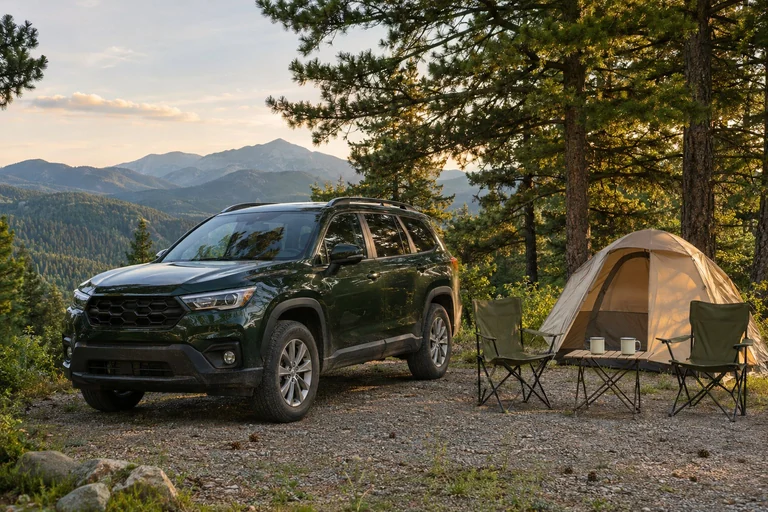
Plan energy before adding a panel
A portable solar panel can support a stationary camping setup, but it does not store energy and does not produce its rated output throughout the day. List the devices, their approximate consumption and intended use before choosing a panel. Use realistic assumptions and retain a reserve. Charging a phone, running lights and supporting a refrigerator are different demands. The best first step may be reducing a load or charging the power station before leaving home.
Think about the place and season where the panel will operate. Trees, terrain, cloud, shadows and the timing of your activities affect useful exposure. A campsite shaded for comfortable living may be poor for solar collection. Plan whether someone will be available to place, secure and supervise the equipment appropriately. Avoid converting a panel's advertised watts directly into a guaranteed daily watt-hour figure. The station's displayed input during actual use is more useful than a promise based on ideal conditions.
Match the exact electrical envelope
The standard EcoFlow 110W panel featured here is separate from the newer Lightweight and refurbished versions. Its current maker page lists open-circuit voltage of 21.8 V, operating voltage of 18.4 V, short-circuit current of 6.5 A and operating current of 6.0 A. Compare the complete panel specifications against the exact power station's solar-input limits and instructions. A shared brand name or similar connector is not proof that any two products form an approved combination.
The existing RIVER 2 Pro, Anker C300 and Jackery Explorer 1000 v2 are station examples for comparing their documented input requirements. They are not all declared compatible with this panel. Check allowed voltage, current, power, polarity and any temperature-related requirements in the actual manuals. Do not rely on an adapter merely because it physically fits. If the documentation does not establish a safe supported combination, ask the manufacturer before ordering or connecting the equipment.
Check what the package actually includes
EcoFlow's current standard 110W box list contains the panel, its panel bag and a user manual. It does not list a station charging cable. Count the correct cable and any approved interface as a separate purchase when absent. Confirm both ends, length, polarity and the exact station connection. Older photos, retailer bundles and similarly named panel revisions can create different expectations. Keep a copy of the selected package contents so the delivered parts can be checked before a trip.
The bag and folding structure need storage space beyond the station itself. The current maker page gives inch and centimeter dimensions that disagree, so this site leaves resolved panel dimensions unpublished. Confirm the actual packed and open sizes with the seller or manufacturer if clearances matter. Do not substitute dimensions from the Lightweight model. The complete purchase includes the working footprint, a suitable cable route and safe storage, not simply the lowest advertised package count.
Place equipment without creating another problem
Choose a permitted location with clear exposure and room to keep cables away from walking routes, doors and moving vehicle parts. Follow the panel and station instructions for orientation, support, weather exposure and connector handling. Keep the power station within its own operating and ventilation requirements. A panel weather rating does not transfer to every cable joint or to the battery station. Protect all components according to their specific instructions rather than treating them as one waterproof assembly.
Do not improvise series or parallel combinations from a single-panel example. Multiple panels change electrical behavior and require explicit approval for the complete arrangement. Similarly, do not connect the panel directly to a vehicle battery or an unrelated charging port simply because an adapter is available. This guide concerns portable power-station buying checks, not custom electrical installation. Retain the maker's approved connection sequence and a way to stop the charging arrangement safely when conditions change.
Rehearse charging and keep a reserve
Try the exact station, cable and panel at home in suitable conditions. Confirm that the station recognizes input, record a useful range of observed charging behavior and inspect connector handling and cable reach. A single good reading is not a guarantee for a shaded or cloudy weekend. Include the time during which you will be driving, hiking or otherwise unable to use the setup. Decide how essential loads will be handled if solar collection is unavailable.
Compare the complete cost against the practical benefit of the trip. A correctly matched smaller panel may support modest loads, while an oversized collection of panels may be awkward to deploy at the chosen campsite. These are research-based checks without hands-on electrical, charging-time or weather tests. The linked station and panel pages preserve their individual specifications and limitations so readers can identify the combination they need to verify rather than infer blanket compatibility from this guide.
- Estimate trip energy use and keep a realistic reserve or alternate supply.
- Match the exact panel revision to the station's full input requirements.
- Confirm voltage, current, polarity and every approved cable connection.
- Count missing cables, open footprint, packed storage and supervised placement.
- Rehearse the complete supported system without promising daily solar yield.
Sources & further reading
These sources support the factual reference points in this guide. Practical comparisons and packing suggestions are editorial guidance.