Weekend camping / 7 min read
Portable camping fans: batteries, airflow and placement
Compare fan placement, batteries, chargers and mains-power needs, and plan a comfortable camp routine with a practical alternative for excessive heat.
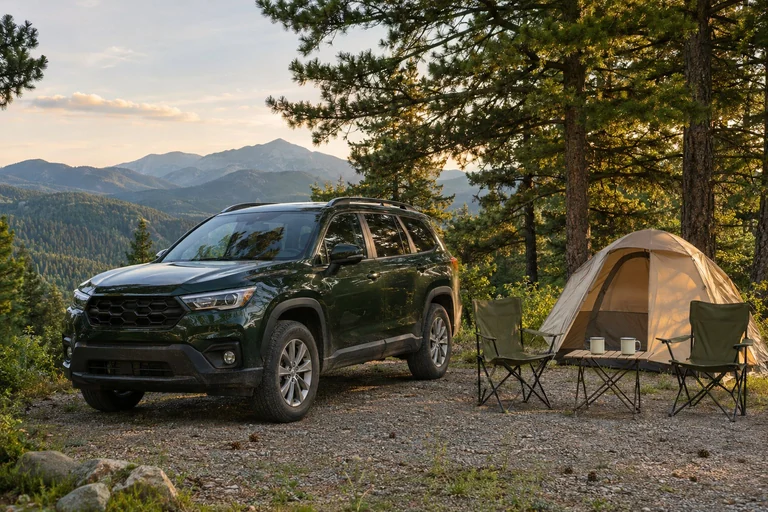
Decide where airflow will be useful
A portable fan can improve comfort by moving air across a seating or sleeping area, but it does not lower outdoor temperature or create a safe refuge from dangerous heat. Start with a campsite that offers appropriate shade, a realistic schedule and a way to leave for a cooler location. Consider who is using the space and any individual heat-related needs. A fan purchase should support that plan, rather than becoming the reason to remain in conditions the group cannot manage.
Sketch the intended position before selecting a size. A table fan can take up meal space, a floor fan may collect dust or be kicked, and a hanging arrangement needs explicit support from both the fan and shelter instructions. Keep the unit stable, clear of bedding and away from children’s reach. Check how people will enter and leave in the dark. A useful airflow path should not require cables across the doorway or a fan balanced on a cooler lid that is repeatedly opened.
Compare the complete power package
The RYOBI PCL811B is the researched 7.5-inch hybrid example, selected as the tool-only package. It can use a compatible 18 V ONE+ battery or an extension cord, but the battery, charger and cord are separate. Those missing pieces can dominate the practical cost and packing volume. If you already own suitable batteries, check their condition and exact compatibility. A similarly shaped battery from another system is not an acceptable substitute, and a larger pack does not remove the need to follow charging instructions.
For mains operation, confirm that the campground permits the connection and that the supply, cord and protection suit the location and equipment instructions. For battery use, identify how each pack will be charged and stored safely during transport. A small power station may supply a charger through AC, but the chain includes conversion losses and separate charger requirements. Do not infer that a fan’s brand battery can be connected directly to a station’s DC socket simply because both devices use nominal voltage labels.
Estimate runtime from a real usage plan
List the hours and speed settings you intend to use, then look for documented consumption or perform a suitable measurement of the complete supported setup. This guide does not claim a tested runtime for the PCL811B. Promotional maximum-runtime figures may depend on a particular battery and low setting that do not match the selected package. If consumption is unknown, leave a generous practical contingency and a non-fan alternative instead of treating an unverified estimate as a guarantee of overnight operation.
The Anker SOLIX C300 DC and AC-equipped C300 illustrate why output type matters in a camp power kit. A DC-only station cannot directly run an AC-only charger or extension-cord fan input without an additional supported arrangement. Check each appliance’s actual input and included cable. A power station’s stored energy is also shared with lights, communication and other equipment. Decide which uses are essential and avoid spending the entire reserve on comfort equipment before the group has a workable way to recharge.
Check controls, noise and placement in a rehearsal
Operate the fan in the actual intended space before travel, using the lowest useful setting and the complete supported power supply. The RYOBI example has three settings and a pivoting head; these specifications describe controls, not a measured comfort or noise ranking. Check whether controls can be reached without touching moving parts, and whether the unit remains stable as people shift around it. Listen from the neighboring seating or sleeping position rather than judging only while standing directly beside the motor.
A BioLite AlpenGlow lantern is a separate lighting example that can help avoid packing one combined device whose failure removes both light and airflow. Keep light levels modest around other campsites. For any equipment near fabric, preserve the ventilation and clearances required by its instructions. Do not cover a fan to reduce noise, block its intake with a bag or assume it is rain-resistant because it is marketed for work sites. Use only the locations and mounting arrangements the maker supports.
Plan heat alternatives before packing
Check the forecast for the campsite rather than only the nearest large town, and schedule exposed activities for appropriate conditions. Keep drinking water and suitable food available and identify a cooler destination before the group becomes uncomfortable. For health-specific concerns or symptoms, follow current public-health advice and individual medical guidance; this product guide does not provide treatment instructions. The decision to cancel, relocate or shorten a trip should remain available even after the fan and batteries are packed and charged.
After the rehearsal, count the actual fan, batteries, charger, cables and storage as one complete system. Compare that burden with better shade, a different campsite or fewer exposed hours. The linked products are research examples with package checks, and no hands-on airflow, battery or noise test is claimed. Keep electrical gear dry as directed, inspect it after the trip and recharge only according to the battery maker’s instructions. A comfortable plan remains useful when the fan is switched off or unavailable.
- Measure the intended location and preserve a stable clear path around the fan.
- Verify the exact fan package, battery system, charger and supported input connections.
- Budget all power uses and treat undocumented runtime as unknown.
- Rehearse speed, noise, controls and placement without blocking intake or shelter exits.
- Keep a forecast-based cooler alternative and a plan that works without powered airflow.
Sources & further reading
These sources support the factual reference points in this guide. Practical comparisons and packing suggestions are editorial guidance.