Weekend camping / 7 min read
Planning your first easy off-road day trip
Choose a permitted low-consequence vehicle route, check conditions and communications, prepare a mostly stock vehicle and plan early turnarounds.
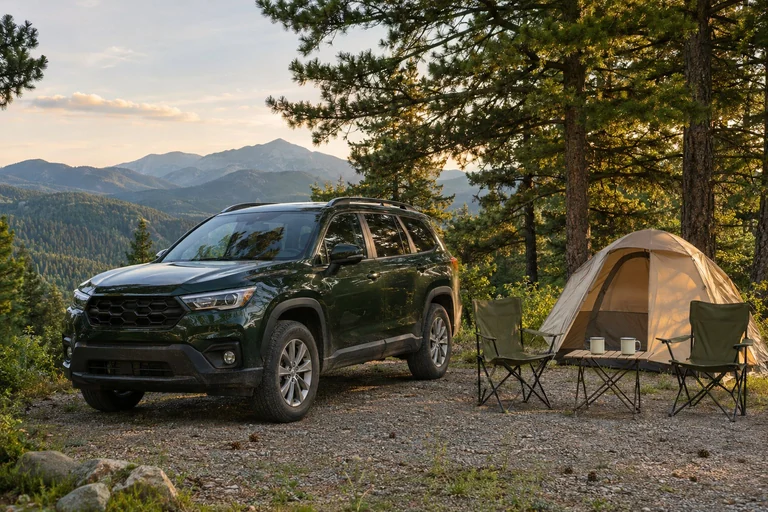
Define an easy trip by consequences and exits
For a first unpaved outing, choose a short permitted route close to ordinary services with simple navigation and an obvious return. “Easy” is not a permanent condition attached to a trail name. Rain, washouts, snow, traffic and maintenance can change the same road dramatically. Ask the managing agency about current conditions and restrictions for your vehicle class. Prefer a route with room to turn around and a destination that does not require completing an obstacle to get home.
Keep the day’s goal modest: learn how the group, vehicle and packing arrangement work on a suitable surface. Avoid combining the first drive with remote camping, a tight arrival deadline and unfamiliar recovery techniques. A popular online track can cross closed or private land, and a legal designation does not promise passability. Save the current official map and note alternate exits. If the road on the ground differs from the information you expected, stop in a safe place and reassess before proceeding.
Check the mostly stock vehicle before departure
Use the owner’s manual and routine service information to check the vehicle’s condition, tires, required fluids, visible leaks and normal controls. Confirm the spare and the equipment you are trained to use with it. Resolve warning lights or an unexplained fault before the trip rather than expecting a new accessory to compensate. Know the vehicle’s actual clearance and approved operating procedures, including how any selectable drive modes work, without assuming a badge guarantees traction or safe passage through difficult terrain.
The JACO gauge illustrates a useful basic pressure check, with the target taken from the vehicle manufacturer for the approved configuration. This guide does not prescribe an off-road pressure reduction. Reduced pressure can create tire, wheel and handling risks that depend on the exact setup. Pack only suitable tools you know how to use, secure them and keep essentials accessible. A working vehicle, manageable route and conservative turnaround plan are more valuable for a first outing than a pile of unfamiliar recovery equipment.
Agree on communication before the convoy moves
The Midland MXT275 is a vehicle GMRS radio example with an integrated-control microphone and a standard antenna/power package. In the United States, GMRS operation requires the applicable FCC license; current rules and the group’s arrangements must be checked before transmitting. Confirm a shared channel and permitted operating method, then test reception while parked. “Privacy” codes do not encrypt conversations, and a larger transmitter rating cannot promise reception through every ridge or terrain feature between vehicles.
Install power and antenna equipment as the manufacturers direct, keeping cables, controls, airbags and driver visibility clear. Do not assume a magnetic antenna mount is suitable for every roof material or placement. Agree on what happens when contact is lost, how junctions are handled and where the group will regroup safely. Avoid creating pressure for a following driver to hurry through a doubtful section to maintain contact. The communication system should support calm decisions, while each driver remains responsible for the conditions immediately ahead.
Turn around before a problem becomes a recovery
Stop safely before a surface, slope or obstruction exceeds your confidence or the vehicle’s documented capabilities. Do not enter floodwater, drive around closures or improvise a water crossing. Walk only where it is safe and permitted, keep people clear of moving vehicles and avoid placing anyone downhill or between a vehicle and a fixed object. This introductory guide does not teach winching, kinetic recovery or obstacle driving. Those activities require suitable equipment, rated connection points and separate competent instruction.
At the end of the trip, inspect the vehicle as the manufacturer recommends and review what made the day easier or harder. Note confusing navigation, loose cargo, missing water access or a difficult radio installation before adding another upgrade. The linked products are research examples with complete-purchase checks rather than evidence of a tested vehicle build. A successful first outing can simply be a short scenic drive with an early turnaround, everyone comfortable and enough time left to unpack without rushing.
- Confirm current route permission, vehicle class, conditions, fuel availability and straightforward exits.
- Resolve vehicle faults and check tires, spare, tools and secure cargo before travel.
- Prepare usable offline navigation, an independent backup and an overdue-contact plan.
- Verify radio licensing, installation, shared settings and realistic reception limits.
- Carry essentials for delays and turn around before uncertain terrain requires a recovery.
Sources & further reading
These sources support the factual reference points in this guide. Practical comparisons and packing suggestions are editorial guidance.
- Bureau of Land Management: camping and local rule checks
- National Weather Service: avoid floodwater
- FCC GMRS individual licensing requirements, 47 CFR 95.1705
- Midland selected model documentation
- Midland current MXT275 manual and FCC notice
- Garmin selected model documentation
- Garmin 67i subscription and offline functionality