Weekend ready / 6 min read
Planning a group camping weekend: shared gear and clear responsibilities
Coordinate campsite limits, shared equipment, meals, arrival times and transport while keeping every person’s essential needs covered.
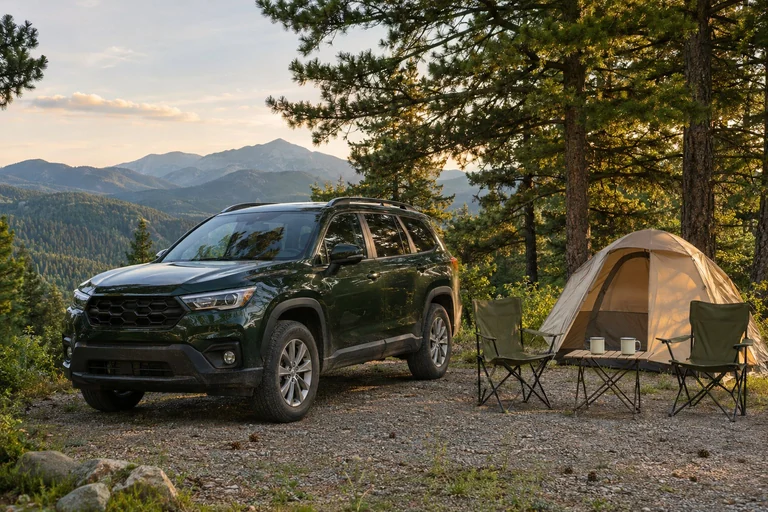
Book for the people and vehicles who are actually coming
Start with a confirmed list of people, vehicles and overnight arrangements. Ask about individual access, sleep, food and other practical needs privately, and use them when choosing the site. Do not book around an optimistic assumption that everyone can share the same tent, walk-in approach or cooking routine. Read the campground’s current limits for people, vehicles, tents and visitors. A group site can differ from an ordinary site in facilities and arrival procedures, so check the actual description before assuming that its name guarantees enough space.
Choose a coordinator for the reservation and a second person who can access the non-sensitive trip details. Keep the official confirmation, route and relevant restrictions available offline. Agree how changes or cancellations will be communicated and who is responsible for any permitted booking change. Group planning becomes easier when the basic facts are visible, rather than scattered through separate messages. Avoid publicly sharing access codes, personal health details or live location information in a packing document that may be forwarded beyond the group.
Plan meals and water before sizing containers
Agree the menu, portions, dietary needs and cooking responsibilities before choosing larger storage. Decide what will be prepared at home, what needs temperature control and which meals can be simplified if the group arrives late. The existing RTIC 52 QT Ultra-Light is a cooler example, but its nominal volume is not a promise that it holds every group’s two-night menu with enough ice. Lay out the actual containers and cold-storage needs. A group should not buy by a claimed people count that ignores food shape, access frequency and the cooling method.
Identify a verified potable source and plan drinking, cooking and cleaning water for the actual people and conditions. The existing Reliance Aqua-Tainer is a carrying example whose filled weight still has to be handled and secured. Several manageable containers may fit the people and vehicles better than one heavy central supply. Make the dispensing and cleaning routine clear, and avoid relying on the only water container being locked in a vehicle that leaves for the day. Each activity group should retain appropriate access to its own essentials.
Distribute equipment across arrivals and activities
Map each shared item to the vehicle and arrival time that will bring it. Essential shelter and cooking equipment should not depend on the last vehicle arriving hours after everyone else. If participants plan different day activities, identify what remains at camp and what travels with them. Do not let one person take all the lights, first-aid supplies or means of communication on a separate outing. A clear departure and return arrangement can prevent a simple split schedule from becoming a missing-equipment problem.
Check shelter and seating fit with the actual participants. The Coleman Sundome 4’s occupant label does not promise comfortable space for four adults and all their luggage. Measure bedding and keep entry routes usable. The Kijaro chair is an existing seating example whose dimensions and individual capacity need checking for each user; buying identical chairs is not necessary. Consider whether somebody prefers or needs a different seat or table arrangement. Match equipment to people rather than asking the whole group to adapt to a single advertised configuration.
Agree cleanup and the return of borrowed gear
Before the trip, decide how meals, dishes, waste and shared spaces will be managed. A short rotation or named responsibility is often clearer than assuming that somebody will notice the work. Keep cooking and washing routines consistent with the campground’s rules and actual facilities. Plan where used supplies, leftovers and damp equipment will travel home, including which person will dry a shared tent or clean a cooler. Do not leave those jobs until every vehicle has already departed in a different direction.
Afterward, review shortages, duplicates and awkward handoffs together. Return borrowed equipment in the agreed condition, replace used consumables and update the shared list with specific lessons. This guide does not assign a universal water allowance, tent occupancy or food-storage capacity to a group. Its product examples are researched choices whose complete requirements remain on their individual pages. The aim is a practical division of work and equipment, so that every participant understands the plan and the weekend does not depend on one person remembering every detail.
- Confirm people, vehicles, sleeping arrangements and current site limits.
- Name an owner, exact model, complete accessories and transport for shared equipment.
- Plan the actual menu, cooling space, potable water and filled carry weights.
- Coordinate arrivals and retain essentials when the group splits up.
- Assign cleanup, drying and borrowed-item returns before departure.
Sources & further reading
These sources support the factual reference points in this guide. Practical comparisons and packing suggestions are editorial guidance.
- National Park Service: plan for the actual group
- Recreation.gov: location-specific reservation policies
- Manufacturer product information (US)
- Manufacturer specifications
- Dyers RV 9410-03 product listing
- CDC safe water storage
- Manufacturer specifications
- Kijaro chair specifications and features
- Kijaro color and UPC record