Outdoor activities / 5 min read
Night hiking on familiar trails
Prepare an open familiar route with two independent lights, an offline map, group check-ins, and an easy turnaround.
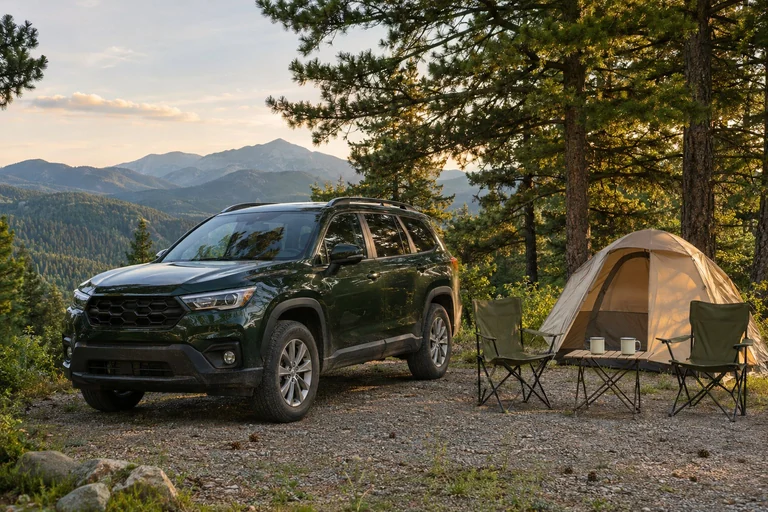
Walk the route in daylight first
Use a familiar open trail with obvious junctions, manageable footing and a simple exit. Check whether the trail, access road and parking remain open after dark. Walk the planned distance in daylight and note turns, water crossings and spots where a missed marker would create confusion. Set a turnaround based on staying organized and warm. A short out-and-back near camp is a better first test than a loop whose final section is unfamiliar.
Test each light as its own system
Carry a hands-free primary headlamp and an independent backup. Fit them over the hat or layers you expect to wear. Test switching modes and replacing or recharging power before leaving, then carry compatible spares. A lamp’s maximum output tells you little about duration at the setting you normally use. Use enough light to see footing and avoid dazzling others. Treat red light as an option for considerate use where appropriate, while prioritizing a clear view of the path.
Keep the whole group in the plan
Decide who leads and who checks the rear, and stop at every junction until everyone has arrived. Carry an offline map and a navigation backup you know how to use. Share the exact route, turnaround, parking and return time with someone who can act if you miss it. Bring water, a layer for being still and first-aid gear. Cold, fatigue and a failing light are reasons to turn around early while the route is still familiar.
Check off the return before breaking up
Finish at the agreed meeting point and tell your contact the group is back. Confirm everyone can get into the vehicle or campsite before stowing lights. At home, dry layers, recharge lights and replace used batteries. Note which junction, layer or storage pocket gave you trouble and adjust it for next time. If you want to try a different trail, walk that route in daylight before repeating the exercise.
Test the kit with your usual gloves and hat
Open the light and spare-power pocket without spreading equipment on the ground. Try the backup light without relying on the main one to find it. Check that the emergency layer suits someone who has to stand still. Keep water and a snack accessible, and verify where the vehicle key is for the return. Scope the first trip so you could finish or leave easily even if one person needs extra time.
Packing and purchase checks
Review this list against the place and conditions you chose. Try the equipment you own first, then fill gaps after checking the exact model and everything it requires.
- Check gates, parking hours and night access
- Walk the entire route in daylight first
- Test the Spot 400 and correct spare batteries before leaving home.
- Bring a current map and practise compass use on the same trail in daylight.
- An emergency barrier for delays. Carry separate insulation for expected temperatures.
Sources & further reading
These sources support the factual reference points in this guide. Practical comparisons and packing suggestions are editorial guidance.