Family camping / 6 min read
Packing for a family weekend
A shared packing plan that makes room for people, familiar routines, and a little flexibility.
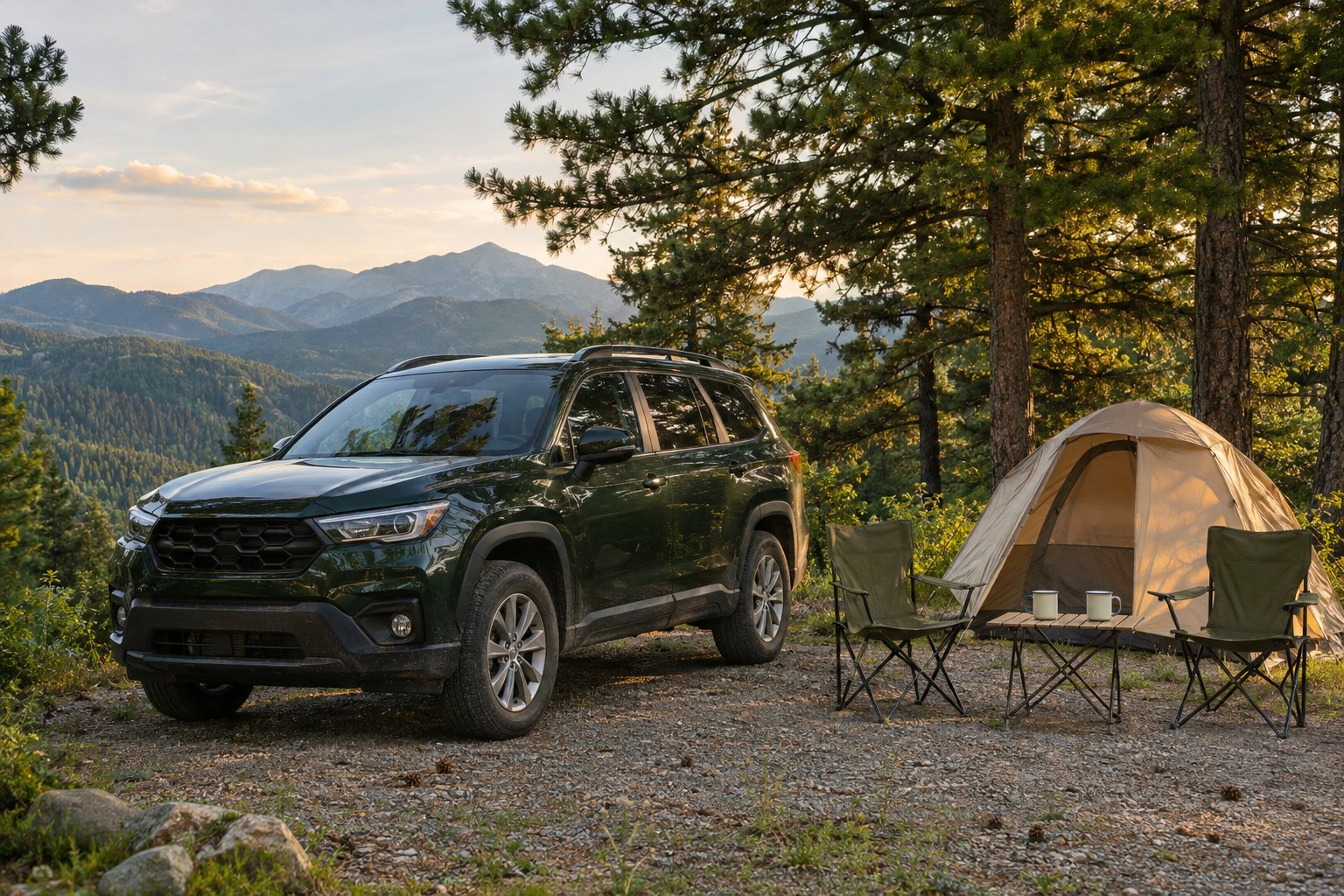
Plan around your group
Begin with a conversation about the weekend rather than a shopping basket. Decide who is coming, what each person needs to sleep comfortably, and which daily routines still matter at camp. A familiar meal or a favorite book can be more useful than another large piece of equipment.
Choose a campsite that suits the group’s experience and needs. Confirm the actual facilities, the distance between parking and the pitch, and any accessibility requirements. A family setup that works beside a car may be frustrating if every container must be carried a long way.
Separate personal and shared equipment
Give each person a short personal list and assign responsibility for shared equipment. That prevents several people packing the same kitchen item while everyone assumes someone else brought the shelter components. Keep the final list in one place.
Make a separate check for medications, necessary personal supplies, and items that are difficult to replace near the destination. Keep these accessible throughout the drive rather than at the bottom of a shared cargo stack.
- Personal essentials: bedding, layers, footwear, hygiene supplies, and individual lighting.
- Shared essentials: shelter, water arrangements, food storage, cooking equipment, and cleanup supplies.
- Optional extras: games, additional seating, and comfort items chosen after the essentials fit.
Make simple packing zones
Create a sleeping zone, a kitchen zone, and a readily accessible arrival kit. Label a few manageable containers instead of building a complicated storage system before you know your habits. Check that the people who will carry each container can comfortably handle it when loaded.
Leave a designated place for wet or dirty equipment on the return journey. The packing arrangement should still work after bedding has been used and the weather has changed. Empty space can be useful working room, rather than an invitation to add more gear.
Check space and limits together
Measure your cargo area with every occupied seat in its travel position. Do not plan around folding seats that passengers will need. Check the owner’s manual and vehicle labels for the applicable loading requirements and include people, equipment, and accessories.
Secure equipment using an arrangement suitable for the vehicle and the load. Keep emergency supplies accessible. A storage box with tie-down points does not independently verify a safe vehicle attachment or a compatible restraint.
Rehearse the first half hour
Practice the arrival sequence at home: retrieve lighting, find the shelter, set out the sleeping equipment, and reach food and water. Change the packing arrangement if a needed item requires moving most of the load.
Print the checklist and make it specific to your family. After the weekend, ask which items made camp easier and which took up room. Start with one practical improvement for the next trip, keeping the setup easy to understand and repeat.
Sources & further reading
These sources support the factual reference points in this guide. Practical comparisons and packing suggestions are editorial guidance.