Vehicle preparation / 9 min read
Everyday trunk safety kit: roadside essentials, spare oil and dog supplies
Build a practical trunk safety kit with first aid, warmth, water, roadside tools and vehicle-approved spare oil. Save a core checklist or add dog supplies and fresh-trip essentials.
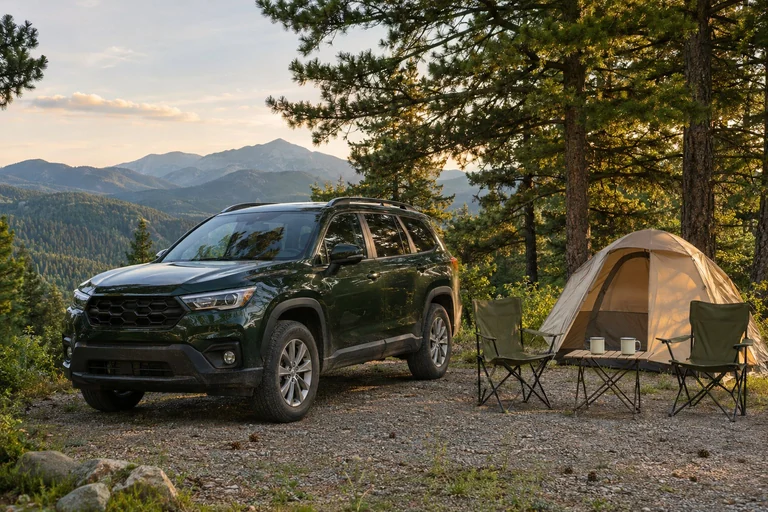
Build a kit for the vehicle you use
An everyday trunk kit should help you manage a delay, contact assistance and keep basic supplies organised. It does not need to be an expedition loadout. Begin with what you already own, the people who normally travel with you and the conditions on your regular routes. NHTSA recommends preparing roadside supplies and checking vehicle condition before travel. Resolve warning lights, leaks, damaged tires and overdue service rather than expecting equipment in a bag to compensate for them. Keep the vehicle manual and assistance details available when mobile coverage is poor.
Use the Core kit checklist for six preparation tasks and twenty packing reminders. The version with a dog adds six pet requirements while keeping the same core identities. Both can be saved, edited and printed. Mark an inapplicable item Not needed: a vehicle without an engine-oil requirement does not need a generic oil bottle. These are starting points, not legal equipment requirements or a guarantee that roadside work is safe. The ten linked products are documented examples; choosing equipment you understand is more useful than buying every recommendation.
Personal protection, food and drinking water
Choose a first-aid kit for your group and training, then inspect its contents rather than trusting the outer label. The AMK Mountain Hiker is an existing example, not a prescription for every household. Keep a genuinely warm blanket and suitable spare clothing. The compact SOL Emergency Blanket is a separate barrier against wind and moisture; its reflective material is not a promise of adequate insulation. Protect dry clothing from wet gear and include gloves suited to the handling you actually expect.
Plan drinking water for the occupants, likely delay and conditions, with extra for a dog when applicable. A Nalgene 32 oz bottle is a container example rather than a complete reserve. Check containers, cleanliness and the water plan before departure. Familiar shelf-stable snacks are easier to manage than unfamiliar emergency foods, but read their labels and replace supplies exposed to unsuitable conditions. Medical and dietary needs may change what you bring fresh instead of leaving behind.
- First-aid kit suited to the people travelling.
- Warm blanket; an emergency barrier is an additional option.
- Extra clothing and rain protection for the conditions.
- Work gloves suited to planned handling tasks.
- Drinking water in suitable containers, checked and refreshed for this journey.
- Familiar shelf-stable snacks stored within their label conditions.
Lighting, communication and roadside visibility
Keep charging equipment compatible with the phone and vehicle, and confirm that it works before relying on it. A headlamp frees your hands; the Spot 400 AAA example needs a suitable spare-power arrangement and battery care. Download the relevant map while connected and retain essential contacts in a form that does not depend entirely on a charged phone. Equipment cannot create reception where it is absent. Review how you will describe your location and request help.
A vest and warning equipment need to be reachable without first unpacking the entire load. The Grote three-triangle kit is one passive-warning example. Use warning devices only where you can do so safely and where permitted; this guide gives no blanket placement distance or instruction to walk into traffic. Follow local emergency directions and your vehicle’s breakdown guidance. Keep immediately needed information and protection accessible from the cabin rather than assuming every useful item belongs deep in the trunk.
- Headlamp and suitable spare power.
- Phone charging equipment and compatible cables.
- Offline or paper map for the route.
- Emergency contacts and roadside-assistance information accessible from the cabin.
- Reflective vest accessible before leaving the vehicle.
- Warning triangles or LED warning lights, for use only where safe and permitted.
Vehicle tools, oil and cleanup
Match starting and inflation equipment to the actual vehicle. The selected NOCO GB40 USB-C and VIAIR 88P are different tools, with separate connection, operating and storage requirements. Confirm battery chemistry, access, reach and instructions before needing them. A JACO gauge supports checking the manufacturer’s cold-pressure target; neither a pressure reading nor an inflator establishes that a damaged tire is serviceable. Spare-wheel equipment also needs the correct application and a safe location and procedure. Professional assistance is an appropriate alternative.
Carry spare oil only when appropriate, in the exact grade and approval specified for the vehicle. A bottle is not a reason to ignore a warning or add fluid to an unidentified reservoir. Keep the original identity, sound closures and secondary containment, secured away from food and water. Use dedicated transfer equipment and suitable cleanup materials. The existing spares, battery and cooling-system guides explain related purchase checks. This list provides no universal fluid quantity, jump sequence, jacking method or improvised repair instruction.
- Compatible jump starter or jumper cables, following the vehicle instructions.
- Tire-pressure gauge with suitable range and valve access.
- Compatible inflator with suitable power, reach and duty cycle.
- Vehicle-appropriate spare, jack and wheel tools.
- Basic tools suited to known tasks and your skills.
- Manufacturer-approved spare oil where appropriate.
- Suitable dedicated funnel and absorbent cloths.
- Waste bags for cleanup and containment.
Add the dog kit
Keep a spare walking leash and current identification, but plan the dog’s travel restraint separately. The Ruffwear auto-locking Knot-a-Leash is a handling example, not a crash restraint. Check a carrier or restraint against the dog, vehicle and its own instructions. Bring familiar food and treats rather than choosing a universal snack for every animal. FDA advises cool, dry food storage, retaining identifying package information and cleaning feeding equipment. A warm trunk is not automatically a suitable long-term pantry.
Pack additional drinking water and a clean bowl; the Medium Quencher is an existing bowl example. Keep records and veterinarian contacts accessible and handle necessary medication under its storage instructions. Review your emergency destination and who can help if you cannot care for the dog. Never leave a pet unattended in a vehicle. These reminders support preparation and do not replace veterinary advice, a fitted travel system or a trip suited to the individual animal.
- Spare leash, collar and current identification.
- Properly fitted travel restraint or carrier.
- Familiar food and treats brought fresh within their storage instructions.
- Dog bowl and additional drinking water.
- Waste bags and a cleanup towel.
- Pet records and necessary medication, following storage instructions.
Store some supplies; bring others fresh
Separate durable stored equipment from items that need attention for each journey. Review the manufacturer’s limits for batteries, jump packs, first-aid contents, fluids and containers. Check food and treat dates and exposure, and bring medicines under their specified conditions. There is no universal trunk-safe temperature or storage life for this collection. Keep a simple inspection note, review the kit regularly and before longer drives, and restock after use. Label automotive supplies clearly and keep them separate from potable water.
Adapt for season and distance
For winter, review the existing vehicle-preparedness guide and add an appropriate scraper, shovel or traction equipment when the route and vehicle call for them. More layers or a complete cold-weather plan may be necessary; a thin emergency barrier does not replace them. For longer or remote journeys, reassess water, food, communications, weather and assistance access. Check load limits and secure storage before adding bulk. Postponing a journey or choosing a better-served route remains a useful preparation decision.
Preparation and purchase checklist
Use these six tasks with either saved kit. Ownership status records whether you have, need to buy or will borrow something; Packed is a separate check. Vehicle-stored supplies remain separate from equipment you must carry when hiking away from the vehicle.
- Review the vehicle manual and resolve inspection, fluid or warning concerns.
- Confirm spare, wheel tools, inflation and starting equipment suit the vehicle.
- Check weather, route conditions, services and communication coverage.
- Charge and test devices within their operating and storage limits.
- Inspect supplies and expiry dates; bring fresh temperature-sensitive essentials.
- Secure the load and keep immediately needed equipment accessible from the cabin.
Sources & further reading
These sources support the factual reference points in this guide. Practical comparisons and packing suggestions are editorial guidance.
- NHTSA: vehicle checks and roadside emergency supplies
- FDA: proper storage of pet food and treats
- FEMA Ready: prepare pets for disasters
- AVMA: warm-weather pet safety
- Manufacturer product documentation
- Manufacturer product documentation
- SOL material and dimensions
- NOCO GB40 USB-C specifications and package
- Manufacturer product documentation
- Manufacturer product documentation
- Grote kit specifications
- Manufacturer specifications
- Ruffwear selected model documentation
- Ruffwear selected model documentation