Weekend camping / 7 min read
Day hiking from your campsite: pack and route planning
Choose a manageable route, fit a daypack with the essentials, plan drinking water and navigation, and keep an independent return and emergency plan.
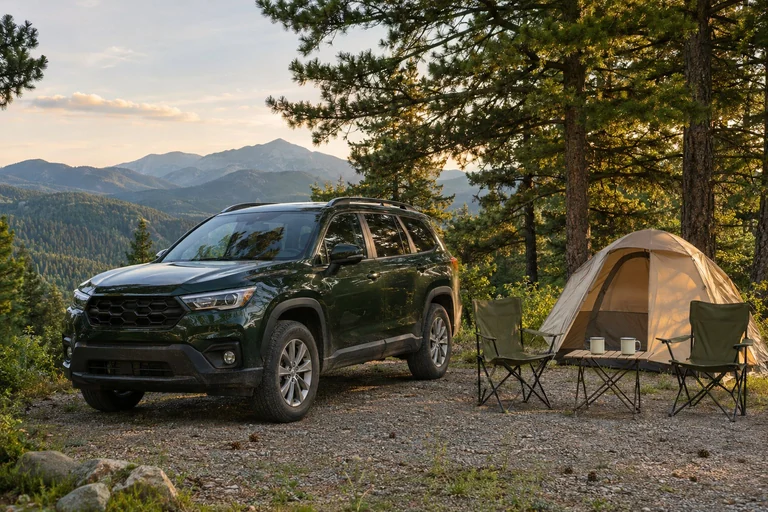
Pick a route that fits the actual day
A day hike from a campground still needs its own plan. Check the specific trail's distance, elevation changes, surface, closures and weather exposure with the land manager. Include the drive or walk to the trailhead and the time needed to return to camp. A nearby start does not mean the route is short, maintained or within phone coverage. Choose the outing for the least experienced participant and retain an easier alternative that does not depend on finishing a difficult section.
Set a turnaround decision before leaving and tell a reliable contact the intended route and return arrangement. Know how the group will respond if someone needs to stop or the route is closed. The NPS Ten Essentials provide a useful framework for navigation, protection, lighting, food, water and emergency preparation. Adapt those functions to the environment and group rather than treating a numbered list or a new backpack as proof that every important need has been covered.
Fit the daypack with the real load
The Osprey Daylite Plus example has a 20-liter main capacity, panel access, bottle pockets and an internal sleeve. The smaller Daylite 13-liter model is a different purchase. Pack the water, clothing, food and essential items you intend to carry, then try the loaded bag while walking and bending. Check shoulder fit, accessible pockets and whether the contents shift. Capacity is a volume measurement, not a universal comfortable weight limit or proof of fit for every body.
Decide whether bottles or a compatible hydration reservoir suit the route and user. A sleeve in a pack does not include a reservoir or establish compatibility with every bladder and hose. The existing Nalgene bottle provides a simple separate-container example. Protect important dry layers inside suitable storage, and keep frequently needed equipment reachable without repeatedly spreading the whole kit on the trail. Avoid loading the pack with duplicate camp equipment that contributes weight without filling a real day-hike function.
Separate water carrying from water treatment
Confirm reliable drinking-water availability and plan carried water for the people, conditions and activity. A bottle volume is not a recommended daily allowance. Carrying known potable water may be simpler than collecting and treating an uncertain source on a short outing. If collection is part of the plan, read the separate water-treatment guide and identify both source hazards and the limitations of the selected method. Clear flowing water is not automatically suitable for drinking.
Put food and personal necessities where the person responsible can reach them. Check clothing, sun protection and lighting against the expected outing and a delayed return. The Adventure Medical Kits Mountain Hiker is a researched first-aid example, but inspect the actual contents, expiration dates and personal additions. A kit does not supply medical training or automatically cover a participant's specific needs. Plan a communication and emergency response method appropriate to the route rather than depending on a bag of supplies alone.
Trial the packed departure and return
Before leaving camp, check footwear, weather, route information and each person's access to essential items. Keep car keys and the means of returning secure. Avoid leaving critical equipment locked in the vehicle simply because the outing seems brief. At the end of the walk, review what was used, what was difficult to reach and what should be dried or replenished. That feedback is more useful than adding products because they appear on somebody else's long-distance expedition list.
These examples support a modest campsite day trip, without claiming that a particular pack, compass or kit makes an unknown trail safe. The product pages document their selected variants and purchase checks. A useful first purchase fills a specific gap discovered during a short familiar walk. Start with manageable outings, learn the equipment and adjust the load deliberately before choosing longer routes or more exposed terrain.
- Check the specific trail, conditions, group ability and return arrangement.
- Try the daypack with the actual water and clothing load.
- Carry route information and navigation backups you know how to use.
- Confirm potable water or a source-appropriate treatment and reserve plan.
- Inspect lighting, personal supplies, first aid and communication before leaving camp.
Sources & further reading
These sources support the factual reference points in this guide. Practical comparisons and packing suggestions are editorial guidance.