Water / 5 min read
Carry and dispense drinking water at camp
Confirm a potable fill source, choose containers you can lift when full, and set up a clean way to refill bottles at camp.
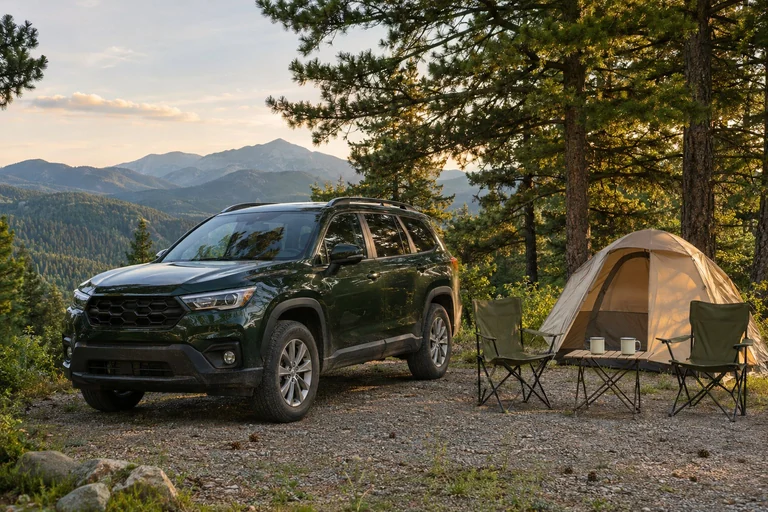
Confirm where you can fill
Check with the campsite or land manager before counting on a tap. Ask whether the water is potable, where the fill point is, and whether it will be open when you arrive. Seasonal closures, maintenance, and a long walk from the site all change the plan. If the source is uncertain, bring drinking water from a verified potable supply and plan around what you can carry.
List the people, pets, meals, and planned activities for both days. Set aside water for the drive and count the water used in meals, hot drinks, and handwashing. Adjust for heat and activity, and keep a reserve for delays or a closed refill point. Write the plan for your group before looking at jug sizes. A container capacity tells you what fits in it, while the trip determines how much you need. For example, if the fill point is a drive away, separate the water for the first dinner and the next morning so it stays accessible when you arrive after dark.
Check the filled weight and the carry
A US gallon of water weighs about 8.3 pounds. A jug holding seven US gallons carries about 58 pounds of water before you add the container. Six liters is about 13 pounds of water. Use these estimates for comparison, then weigh your own containers filled to your intended level. A long carry over uneven ground or a high vehicle floor can make several smaller lifts more manageable.
Check the carry route from the fill point to the campsite. Look at handle clearance, whether you have a free hand to open the hatch, and whether you can tip the container while holding a bottle. In the vehicle, pack the water where you can secure it using the vehicle manufacturer’s guidance. Keep it separated from fuel and chemicals, and leave room to reach other gear without shifting a full jug.
Give each container a job
The Reliance Aqua-Tainer 7-Gallon works as a shared supply with a spigot once you have a suitable surface. Check that the surface supports the full jug and that the bottle fits beneath the outlet without forcing the jug forward. The rigid Scepter 05587 divides the load into smaller carries. It uses a pour opening and a capped vent, so practice tipping it with the bottle supported. Check the exact model and included cap before buying a separate nozzle.
An MSR Dromedary 6 L bag provides another fill that can lie flat once empty. It uses a cap with different openings for filling and pouring. Its shape changes when full, so measure the available cargo space with the bag filled and protect it from sharp items. A Nalgene Ultralite 32 oz is a personal bottle. Fill it at the shared container before you leave camp, then keep the bulk supply closed between refills.
Set up a clean refill point
Wash and prepare containers before filling them. Follow the manufacturer’s cleaning and drying directions and consult CDC guidance on safe storage and sanitizing where appropriate. Use containers dedicated to drinking water, and keep them away from fuel and chemicals. Close the fill cap and outlet when you finish pouring. Set lids on a clean surface so the inside of the cap stays away from dirt.
Pour water into clean bottles or cookware without touching the outlet to the bottle mouth. Keep dirty dishes, wash water, and pet bowls away from the drinking-water station. Choose a stable setup at a height that works for your group and have people try it before the first meal. Set aside enough space to see when a bottle is nearly full, especially if the pour point is inside a shaded hatch or tent vestibule.
Rehearse the refill at home
Fill the containers with the amount you plan to carry. Check the caps, lift each container into its planned position, and dispense a bottle of water. See whether a small bottle fits below the outlet, whether you can control the last bit of the pour, and whether the cap is easy to close with wet hands. If one large jug needs two people or a surface you will not have, split the load or change the dispensing setup.
Decide how you will keep a reserve closed and where the daily refill supply will sit. Mark the containers so everyone knows which one to open first. After the trip, clean, drain, and dry the pieces according to their instructions. This is also a chance to check cap seals and set damaged parts aside before the next outing.
Water container purchase checklist
Choose the pieces that solve the hardest part of your trip, whether that is a long carry, limited cargo space, or filling bottles without spills.
- Confirm the potable fill location, hours, and a fallback supply.
- Plan for drinking, meals, hygiene, and delays.
- Weigh the container at the intended fill level and try carrying it.
- Check that the included closure and outlet work with your refill station.
- Measure the filled container and plan how to secure it during travel.
Sources & further reading
These sources support the factual reference points in this guide. Practical comparisons and packing suggestions are editorial guidance.