Camp comfort / 6 min read
Camp shoes, sandals and water shoes: choose for the actual task
Compare open-toe and enclosed-toe camp sandals by fit, adjustment, drying and protection, while keeping suitable footwear for the planned hike.
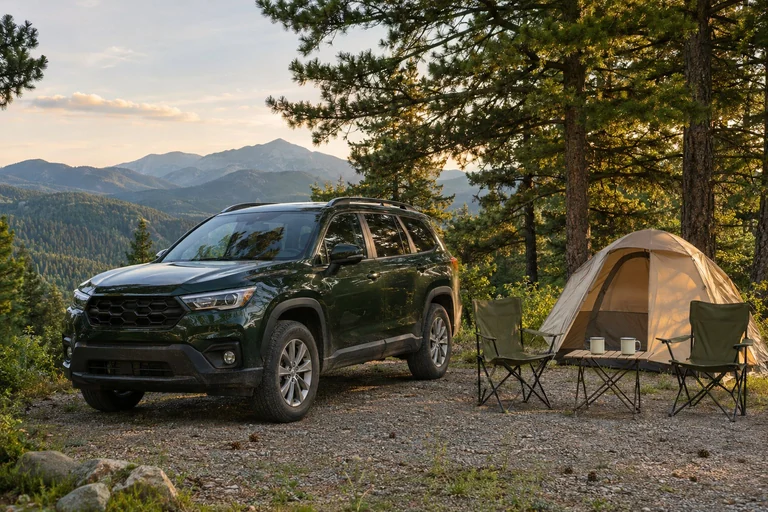
Separate camp comfort from the day’s activity
Make a short list of the places you expect to walk: the tent pad, a gravel path to the toilets, a shower block, the shoreline and any planned trail. Those surfaces can require different protection and support. A sandal that is convenient beside the tent may be a poor choice for moving heavy equipment or walking a rough route. Start with footwear you already own and identify the actual gap. A second pair can make wet or muddy routines easier, but carrying several similar pairs may add bulk without adding useful capability.
Choose around the person’s feet and intended activity rather than assuming an outdoor label establishes suitability. Consider how you will reach facilities after dark and whether your usual socks, swelling or individual needs change the fit. Keep appropriate trail footwear available when the day includes a hike. The existing Merrell Moab 3 Mid Waterproof and Altra Lone Peak 9 illustrate different hiking constructions, not a universal recommendation to hike in one shape or to replace them with sandals. Fit and activity remain separate purchase checks.
Compare open and enclosed-toe designs
The men’s Teva Hurricane XLT2 1019234 is an open-toe example with adjustable hook-and-loop straps. That arrangement can make fit adjustment and cleaning access straightforward, but it leaves toes and parts of the foot exposed. The selected KEEN Newport H2 1001907 has enclosed-toe coverage with openings elsewhere. That can be a useful difference to evaluate around camp, without treating it as a safety shoe, puncture-resistant boot or guarantee against a dropped object. Sand and small stones can still enter an open construction.
Try walking, turning and stepping onto the kind of modest surface you expect to encounter. Notice whether the foot moves within the sandal, straps rub or a closure presses against an awkward point. Do not infer that a manufacturer’s water-oriented description makes the shoe appropriate for swimming, swift water or an unknown slippery crossing. A product can tolerate getting wet while the location remains unsafe to enter. Route and access decisions come before footwear choices, and turning around remains an option when the ground does not suit your equipment or ability.
Match the style, region and your own size
The selected Newport H2 is the men’s Black style 1001907. Other Newport models use different materials or fit families, so the words Newport and Black alone are not enough to establish the same item. Choose and try your own size rather than copying an example size from a product photograph. Check the merchant’s size system and return conditions before ordering, especially when a listing combines men’s, women’s or regional measurements. Pair weight also changes with size and is therefore left undocumented rather than generalized here.
The selected Teva is the men’s Hurricane XLT2 1019234 style family. XLT3, Ampsole and other revisions are separate choices. Its current US page does not expose every stock combination clearly, so this site does not claim that your preferred size is available. Confirm the actual selected color and size before purchase. A broad family link can be useful for research, but it is insufficient evidence for an exact Amazon size mapping. No new Amazon offer is published for either sandal because the complete model, color and size match could not be verified.
Think through wet use, cleaning and carrying
Check each maker’s cleaning and drying directions for the actual materials. Keep footwear away from drying methods or chemicals that the maker does not permit, and do not assume that a washable upper means every part should be put through any machine cycle. Plan somewhere to keep muddy or wet footwear apart from bedding and food preparation. A simple washable tray or suitable bag may be enough; it does not need to be another specialized purchase. Unpack damp items when you return rather than leaving them sealed indefinitely.
Consider whether the shoe drains, retains grit or takes too much time to clean for your routine. These are useful questions to evaluate after your own modest trial, not performance results measured by this site. Keep a dry option when wet footwear would make the rest of the evening uncomfortable or difficult. In shared facilities, follow the operator’s rules and hygiene advice without claiming that a particular shoe prevents infection. Choose the level of coverage needed for the setting and check access conditions instead of treating the word water shoe as a universal answer.
Buy the smallest useful footwear kit
Lay out the intended footwear with the rest of the packed camp kit. If a familiar trail shoe and one practical camp pair cover the activities, there may be little reason to add another overlapping style. Check whether straps and soles can be cleaned easily after the locations you visit and whether the pair is comfortable to put on during an ordinary night-time trip to facilities. Include the socks or other routine items you actually use during fitting rather than evaluating the shoe in an unrealistic combination.
Keep notes after the first outing about fit, rubbing, drying and the places where you chose a different shoe. Use those observations to refine the next trip’s packing rather than accepting a general comfort claim as a result. These are researched construction comparisons, with no hands-on traction, medical, durability or water-safety testing. The linked pages identify the selected models and their limits. A useful camp shoe solves a specific access or comfort problem while leaving appropriate footwear available for the rest of your outdoor activities.
- List the actual surfaces and activities before choosing a second pair.
- Compare exposed versus enclosed toes without assuming safety-shoe protection.
- Confirm model, region, color and individual size; try the intended socks.
- Check maker cleaning instructions and separate wet footwear from bedding.
- Keep suitable hiking footwear and avoid unsupported wet-rock or crossing claims.
Sources & further reading
These sources support the factual reference points in this guide. Practical comparisons and packing suggestions are editorial guidance.