Weekend activities / 7 min read
Camp laundry and drying clothes on longer trips
Plan small clothing loads, garment care, washing and rinse water, approved wastewater disposal and a permitted drying space that stays clear of paths.
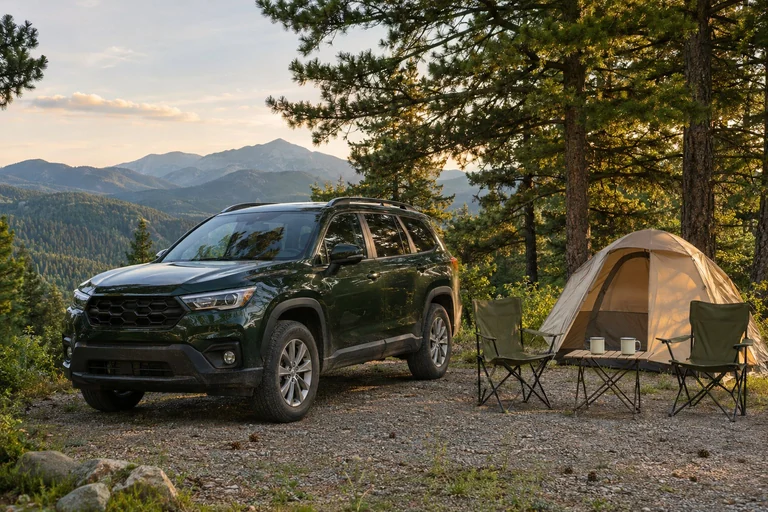
Decide whether washing at camp is practical
Camp laundry can reduce packed clothing on a longer trip, but it adds water use, wastewater, drying time and another routine. Start with the trip length, available facilities and the garments that actually need washing. A campground laundry or a planned town stop may be simpler than washing on site. Choose clothing you can maintain according to its label and avoid making the last clean sleeping layers depend on a successful wash immediately before a cold or wet evening.
Check campsite rules about washing, wastewater disposal and clotheslines before buying a dedicated kit. A container labeled for travel laundry does not create permission to wash at a water source or discharge soapy water onto the ground. Identify the approved disposal point and whether it will be accessible during your stay. Consider privacy and neighbors as well as cleanliness. A small routine that fits the facilities is more useful than a large improvised washing station that blocks a path or creates more wet equipment than can dry.
Match a small-load bag to the actual garments
The original Green Scrubba wash bag is a manual example with a flexible internal washboard. Its nominal total volume is about 13 liters, while the maker describes a much smaller working volume of roughly three to four liters. Follow the printed fill marks and current instructions rather than filling the bag to its total capacity. Load size depends on garment bulk and the washing method, not just a volume number. Check fabric-care restrictions before using any washboard action, detergent or water temperature.
Separate heavily soiled clothing from a light routine wash and avoid placing sharp hardware against the bag. Inspect the closure and valve and rehearse the operation at home with a small noncritical load. A manual bag does not guarantee stain removal, disinfection or machine-equivalent results for every fabric. The current maker and an Amazon candidate use different model identifiers despite a shared barcode, so an Amazon offer remains unpublished until the revision is resolved. Buy the documented package you can identify rather than guessing from color alone.
Count wash water, rinse water and disposal
Plan the complete water use, including filling, washing, rinsing and cleaning the bag afterward. Preserve the group’s confirmed drinking and cooking supply and do not extend a stay on the assumption that laundry water can be found later. Use garment-compatible detergent only where permitted, following its directions and the site’s disposal requirements. “Biodegradable” is not permission to add soap to a stream, lake or campground drain that is not intended for that waste. Keep the routine away from potable-water collection equipment.
Use the approved sink or wastewater system when available, and ask the land manager for the required method when facilities are absent. Do not invent a disposal distance or burial procedure that is assumed to apply everywhere. Strain or retain debris as local guidance requires and pack out any prohibited waste. The Leave No Trace waste principle is useful background, while current site rules control the actual procedure. Keep dirty laundry water distinct from cooking and handwashing containers so the convenience of one bag does not create confusion about clean equipment.
Build a drying arrangement clear of people and vehicles
The Sea to Summit Lite Line Clothesline uses parallel cords and sliding beads, with a published 3.5 meter length. That length is not a load rating for a blanket, shelter, hammock or heavy soaking garment. Choose permitted supports, follow the maker’s use instructions and keep the line visible and clear of walking routes, doors, cooking and vehicle movement. Ask before attaching anything to campground fixtures or vegetation. A low line that is convenient for loading can become difficult to see when someone crosses the campsite after dark.
Allow more drying time than the optimistic forecast suggests, especially in shade or humid weather. A PackTowl Personal towel can serve its own supported drying tasks, but do not assume it will remove enough moisture to make every heavy garment dry overnight. Follow fabric-care instructions when handling wet clothing rather than twisting or wringing materials that can be damaged. Keep a backup set of appropriate dry clothing available. If drying conditions deteriorate, use a planned laundry facility or postpone washing instead of spreading wet equipment through the sleeping space.
Keep wet transport temporary and inspect afterward
A Sea to Summit Big River bag can help separate appropriately packed items during transport, within its own closure and protection instructions. It does not make damp clothing ready for long-term storage or prevent every odor or mildew problem. Empty and dry wet equipment promptly as the manufacturers direct. Keep laundry supplies away from food and inspect the wash bag for abrasion or residues. Pack the drying line so hooks and loose cord cannot snag other gear, and retrieve every small component before leaving the site.
After a trial trip, compare the actual water, time and drying burden with carrying another small clothing set or using a laundromat. The best system may combine a few small hand washes with a scheduled facility stop. The linked examples are research-based products, not a personally tested laundry performance ranking. Purchase only the components that fit the garments, facilities and group routine you expect to use. A successful plan keeps essential clothing dry and the campsite clean without making water supply or wastewater disposal an unresolved problem.
- Confirm washing permission, approved wastewater disposal and permitted clothesline supports.
- Follow garment labels and the wash bag’s actual working-volume and fill instructions.
- Budget wash, rinse and cleanup water separately from essential drinking and cooking supplies.
- Reserve safe clear drying space, realistic drying time and an independent dry clothing set.
- Verify exact package/revision and dry all clothing and equipment promptly before storage.
Sources & further reading
These sources support the factual reference points in this guide. Practical comparisons and packing suggestions are editorial guidance.