Camp first aid / 5 min read
Camp first aid kit checklist for weekend camping
Pack a camp first aid kit for your group, choose what to carry away from the vehicle, and write down how to reach help before you leave.
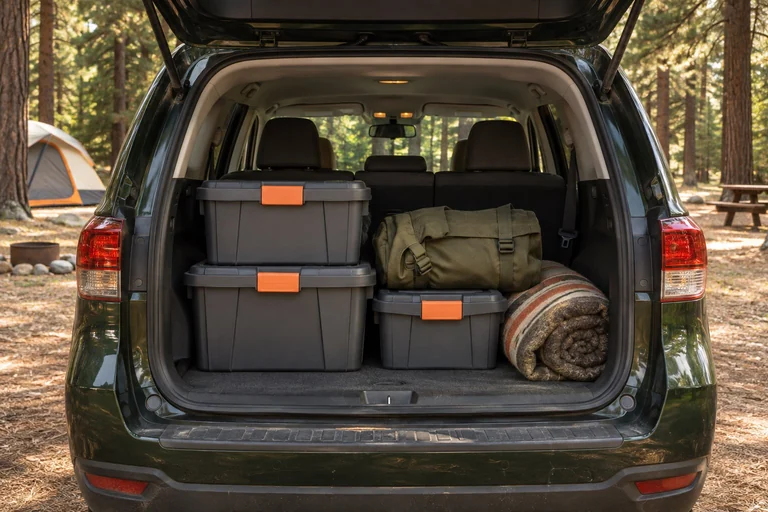
Size the kit for your group and trip
Start with who is going, how long you will be out, and how far you could be from help. A short stay with a staffed campground nearby calls for a different plan from two nights off a remote forest road. Write down the activities you actually expect, such as cooking, hiking, or spending time near water. Review the American Red Cross camping checklist for supply categories, then lay out what you have.
Look at quantities and sizes, not just the total printed on the box. A kit may have plenty of small adhesive strips and few larger dressings. Compare what is included against the group size, activity, and time away. Ask each person to bring the personal medications and supplies they normally need and to share relevant emergency instructions with the people they trust. Keep medications labeled and follow their storage directions.
Fill specific gaps before buying another kit
Group the kit into items you can find quickly, such as gloves, adhesive strips, larger dressings, tape, and wraps. If you are buying a premade kit, check whether it has the sizes your group needs and whether the packaging is easy to open and label. Refill the bag you have if the contents and layout are already working. That also lets you replace the supplies you use most without buying a duplicate kit.
For a trip with plenty of walking, compare the Blister Medic pouch with the moleskin and dressings already in your bag. Check each dressing type and the quantities on the package. A compact SOL emergency blanket can add an emergency wind and moisture barrier to a day bag. Check the number of people it covers and bring clothing, insulation, and shelter suited to the forecast. Think about who will have each item when part of the group leaves camp.
Write down how to get help
Before leaving, save your campsite name, site number, access road, and a map you can use without service. Check the park or land manager’s emergency instructions and record the relevant phone numbers. In a US emergency, call 911 when available. If you expect gaps in service, plan where you can make a call and whether you need another means of contacting help. Tell a person at home where you are going, when you expect to return, and whom to contact if you miss the agreed check-in.
Make a short note you can read under stress. Include the campground or trail name, your location, the closest access point you know, and any gates or road conditions responders may need to know about. Store a copy with the kit and share it with another camper. The Red Cross offers wilderness and remote first aid training if your plans regularly take you farther from help.
Check the kit before departure and after use
Open the kit at home under good light. Check expiration dates, torn seals, moisture, and quantities. Put the items you need to find quickly near the top and keep the inventory where you can read it without unpacking everything. Check labels for temperature limits before leaving the bag in a parked vehicle. If you move it inside for storage, put a reminder on your packing list to bring it out again.
After the trip, record what you used and replace it before putting the kit away. If you had trouble finding something, relabel that pocket or move it. Look at the smaller bag separately because it is easy to restock the shared kit and forget what went on the day hike. Keep the list of emergency numbers and check-in details with your trip plan so you can update it for the next destination.
First aid packing checklist
Read through the list with the group before loading the vehicle. If you discover a gap, decide who will fill it and where the gear will go.
- Check kit contents against group size, activities, and distance from help.
- Pack labeled personal supplies and check their storage directions.
- Replace used, expired, wet, or damaged items.
- Choose where the shared kit and day bag will be kept.
- Save emergency contacts, a map, and the campsite location offline.
- Share the trip plan and agree on a check-in time.
Sources & further reading
These sources support the factual reference points in this guide. Practical comparisons and packing suggestions are editorial guidance.