Camp furniture / 5 min read
Camp chairs and tables for weekend camping
Choose a camp chair and table that fit each other, your campsite, and your vehicle. Check seat height, tabletop space, and folded dimensions.
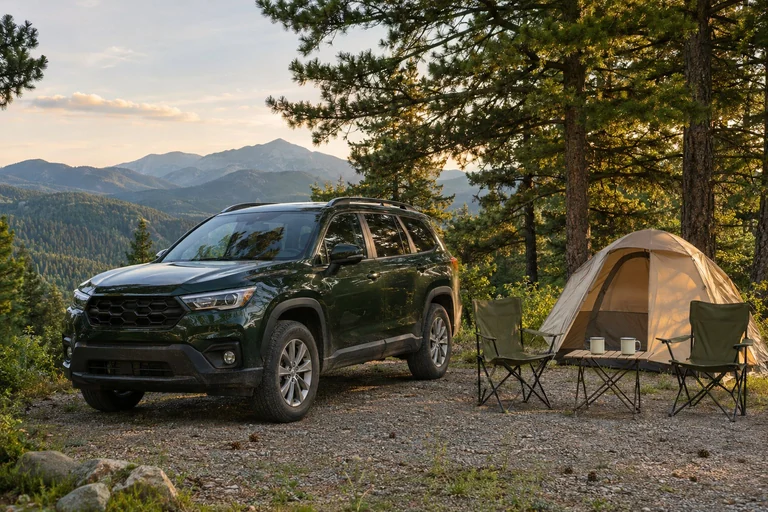
Start with what the campsite provides
Check the site listing for a picnic table and any limits on where you can set up. If there is a usable table, you may only need seats for the time you spend away from it. A site without a table may call for one shared surface, especially if you prepare meals there. Think through breakfast, dinner, and the hours when people are likely to sit down before deciding what earns a place in the vehicle.
Choose a spot with firm ground and space to walk around the furniture. Keep access to the tent, vehicle, and any water or cooking setup clear. If your site is small, try fewer pieces and leave a clear route between them. A chair you can move easily from the table to a quieter spot may be more useful than packing two chairs for the same person.
Check the seat, armrests, and frame
Measure a chair that feels comfortable at home. Compare its seat height and usable width, then think about how far the seat fabric may settle under you. If you plan to eat at a table, try sitting upright with your feet supported. Check whether the armrests fit below the edge and leave enough room to stand up. These details matter more to how the setup feels than the overall height of the chair back.
The Kijaro Dual Lock has a published 20 in seat height and a 300 lb load limit. The frame locks open and closed. The GCI Freestyle Rocker gives you a rocking seat with a 250 lb load limit. Allow room for its motion and keep bags clear of the frame. Check each chair’s exact model and capacity, and try the folding and locking steps before the first trip.
Measure the table with your actual gear
Put the plates, drinks, and serving items for one meal on a surface at home. Measure the area you use and leave space to pick things up without knocking anything over. GCI’s Compact Camp Table 25 has a 25 in square top and a published 60 lb limit. Its top can work for two place settings or as a shared serving surface. A larger group may prefer the campsite picnic table or a larger folding model.
For a simple trial, set out two plates and two mugs on a piece of cardboard the size of the table. Move the chairs up to it and see where the serving bowl and utensils would go. If they crowd the edge, leave the cookware on a separate serving surface or choose a larger table. Try the same arrangement with your usual cooler and water jug nearby so you can see how much walking room the whole setup needs.
Check table height with the chair you plan to bring. A low side table may be right for drinks but awkward for a full meal. For a dining setup, measure to the underside of the table as well as the top. The legs, braces, or tabletop lip can take up knee room even when the nominal height looks right. Before loading the table, confirm the legs are fully opened and locked as the manufacturer directs.
Leave room for hot equipment and foot traffic
Decide where the hot cooking area will be before setting up chairs. Keep the route between the table and vehicle clear of pot handles and fuel connections. Follow the instructions for both the stove and its support surface, including stability, clearances, and heat limits. Use fuel-burning camp stoves outdoors as directed. An aluminum top alone does not establish that the setup is suitable for a particular stove.
Check that every leg contacts firm, level ground and that the table does not shift when you set gear on it. Spread the load as the manufacturer recommends. If the ground is uneven or soft enough that the legs sink or rock, move the setup to a suitable surface. Leave extra space beside a rocker so someone can walk past without stepping over its frame.
Trial-pack the folded furniture
Check the folded shape as well as the weight. A long bag may slide beside a cooler while a flat rocker or table may fit beside a storage bin. Measure the cargo opening where it narrows and try to retrieve each item without unloading the vehicle. Secure furniture according to the vehicle’s instructions and keep access to roadside gear and the first aid kit.
Open and close each piece at home. Check whether you can carry it from the vehicle in one trip with the other gear you need. Wipe off grit before folding, check the fabric and joints after use, and let everything dry before storage.
Camp furniture packing checklist
Use this list before buying or packing, while you can still try the setup with what you already own.
- Check the campsite table and the space available around it.
- Match seat height, armrests, and knee clearance to the table.
- Verify the exact model and manufacturer load limit.
- Measure the table with a meal laid out and check that its legs are secure.
- Trial-pack folded furniture and secure it for the drive.
Sources & further reading
These sources support the factual reference points in this guide. Practical comparisons and packing suggestions are editorial guidance.