Weekend activities / 7 min read
Buying used camping gear: inspections and missing parts
Identify the exact model, check recalls and condition, price missing parts and care supplies, and know when an uncertain used item should be passed over.
Identify the exact item before judging the bargain
A useful used-gear inspection begins with the manufacturer, model, revision and original package. Ask for readable labels, serial or date information where applicable, and photographs of the actual item rather than stock images. Find the current or archived instructions for that selection and compare the included parts with its packing list. A familiar product name can span several constructions or sizes, so a newer review or replacement part is not automatically relevant to the used version offered for sale.
Decide what you need the item to do before comparing its price with a new one. A lightly used table may be a straightforward purchase, while equipment involving fuel, electrical power, structural support or personal safety can require specialized inspection and a reliable history. An attractive exterior cannot reveal every hidden problem. Be prepared to pass on an item whose identity, history or required parts cannot be resolved. This guide provides screening questions, not certification that an inspected used product is safe or fully functional.
Check recalls and the limits of visual inspection
Search the relevant official recall database and manufacturer support information using the exact model and identifying details. The US Consumer Product Safety Commission provides guidance for online buyers and sellers and a searchable recall resource. A seller saying the product “always worked fine” does not establish recall status or completion of a required remedy. If a recall applies, verify the actual remedy and documentation rather than assuming that an undamaged appearance proves the issue cannot affect that unit.
Use extra caution with gear whose remaining strength or internal condition cannot be established by a casual inspection. Recovery equipment, lifting devices, climbing equipment, helmets, lithium batteries and fuel appliances deserve the relevant maker’s guidance and an appropriate qualified assessment, or a decision to buy another item. Do not infer a remaining load rating from an intact label alone. Where the history is incomplete or the manufacturer does not support reuse, a low purchase price does not compensate for uncertainty about a critical function.
Inspect ordinary fabric and furniture methodically
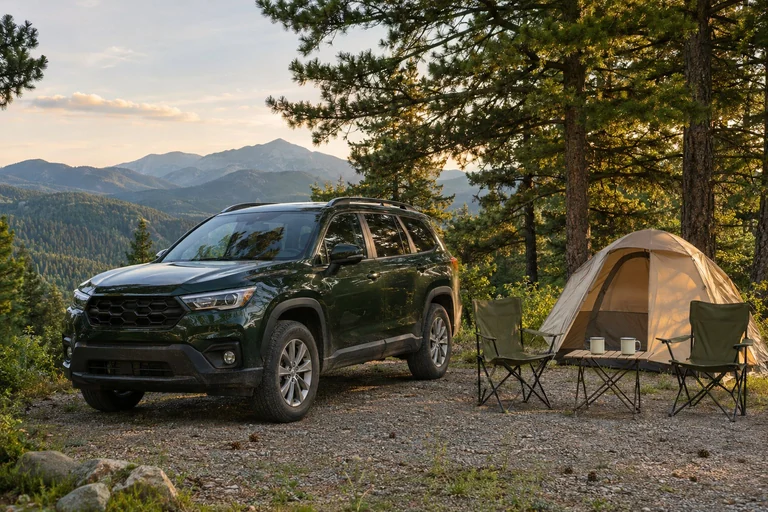
For a tent such as the Coleman Sundome 4, assemble the exact used unit in a suitable permitted place and compare every pole, clip, stake, line, fly and bag with the instructions. Look for damage, contamination, compromised coatings, unreliable closures and parts that have been improvised. Check the actual dimensions against your bedding. A dry indoor setup cannot demonstrate performance in every storm, and an inspection is not a license to test damaged equipment in a situation where failure would create a serious consequence.
For ordinary furniture such as the ALPS Camp Chair example, inspect frame members, joints, locks, feet, fabric and all removable pieces. Follow the maker’s instructions for assembly and check that the product remains stable on the intended surface. Do not load a suspect chair to “prove” it can hold more than intended, or use its arms as rated transfer supports. Verify the current model information instead of applying a capacity from a visually similar chair. If a critical joint or locking part is questionable, pass rather than improvising a repair.
Price missing parts and suitable care supplies
Make a complete replacement list before agreeing on the price. A missing rainfly, obsolete pole section, proprietary buckle or shipping charge can erase the apparent savings. Check whether parts are actually available for the exact revision and whether the maker supports replacement by the user. An accessory listed for sale does not automatically fit your model. Count cleaning, drying time and storage as well, particularly if the item must be restored immediately before a scheduled trip with little time to discover another problem.
The current GEAR AID Zipper Cleaner + Lubricant 29117 illustrates a care supply for compatible zippers, not a repair for missing teeth or a failed slider. Seam Grip WP is another example that requires material and coating compatibility checks. Follow both the gear and treatment makers’ instructions; do not assume a general adhesive can restore any damaged fabric or structural joint. Cleaning may reveal useful information, but it cannot certify equipment whose strength, contamination history or internal condition remains unresolved after the visible dirt is removed.
Arrange a low-consequence trial and keep records
If the item is suitable to purchase, keep the seller’s description, identifying photographs, instructions and any service or remedy records. Rehearse its normal setup and packing in a low-consequence setting before relying on it on a remote trip. For items requiring professional inspection or service, obtain that work before use. Do not describe the trial as equivalent to manufacturer testing or a guarantee of future durability. The purpose is to confirm ordinary operation and find missing equipment while a practical alternative remains available.
Borrowing, renting or keeping an existing item may be preferable to buying uncertain used gear. Compare the complete cost, including required parts and appropriate assessment, with the current new package and its support terms. These product pages provide reference specifications and care requirements, not evidence about the condition of a particular seller’s unit. Never use an affiliate link as a reason to recommend replacement where a safe appropriate existing item already meets the need. The useful outcome is a complete, identifiable system whose remaining uncertainties are understood before the weekend begins.
- Identify model, revision, size, date/serial information and the actual original packing list.
- Search official recalls and verify any required remedy for the particular unit.
- Pass on unresolved critical damage, history, contamination or unsupported structural repairs.
- Price available exact replacement parts and compatible care supplies before comparing savings.
- Keep records and complete appropriate inspection or low-consequence rehearsal before the trip.
Sources & further reading
These sources support the factual reference points in this guide. Practical comparisons and packing suggestions are editorial guidance.